why are native american called indian

History and significance of Native American rugs in the region

why are native american called indian

Christopher Columbus is often **misunderstood** in history. Many people believe he discovered America, but that is a **misconception**. In reality, when Columbus arrived in the Americas in 1492, he thought he had reached India. This **confusion** led to the indigenous peoples of the Americas being called "Indians." This **error** has persisted for centuries and continues to be used today.

The term "Indian" is now considered **inaccurate** and offensive by many Native Americans. It was based on a **mistaken** assumption made by Columbus, and it does not accurately reflect the true identities of these diverse cultures. Native American tribes have their own unique names and histories, which should be respected and acknowledged.

It is important to recognize this historical misunderstanding and strive to use more respectful language when referring to indigenous peoples. By educating ourselves about their true identities and honoring their heritage, we can work towards building a more inclusive and understanding society.

native american rugs pasadena

The mistaken belief that he had reached India was due to his lack of geographical knowledge. When Christopher Columbus landed in what is now known as the Americas, he thought he had arrived in India because he believed the world was much smaller than it actually is. This led to a misunderstanding that has lasted for centuries.

As for why Native Americans are called Indians, it can be traced back to this initial misidentification by Columbus. He mistakenly referred to the indigenous peoples he encountered as "Indians," thinking he had reached the Indian subcontinent. Despite later discoveries proving otherwise, the name stuck and continues to be used today.

It's important to remember that Native Americans are not actually from India, but rather indigenous peoples with diverse cultures and histories in North and South America. The term "Indian" is a misnomer that originated from a historical error, but it does not accurately reflect the true identity of these communities.

In conclusion, the mistaken belief that Columbus had reached India led to the misnaming of Native Americans as Indians. While this term has persisted over time, it is crucial to recognize and respect the distinct identities and heritages of indigenous peoples across the Americas.


native american rugs pasadena

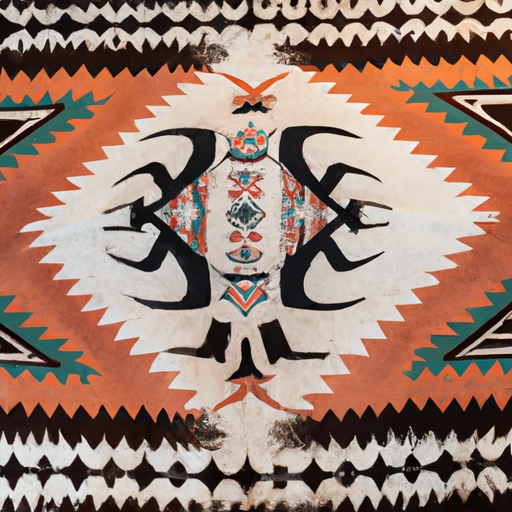
Traditional designs and patterns found in Native American rugs

The term "Indian" has a complex history. When European explorers first arrived in the Americas, they mistakenly believed they had reached India. As a result, they began referring to the native peoples they encountered as "Indians." This misnomer has persisted for centuries, despite the fact that these indigenous peoples have no connection to the country of India.

The spread of the term "Indian" by European explorers and settlers can be seen as a form of cultural imperialism. By imposing their own labels and misconceptions on the native peoples of the Americas, Europeans sought to assert their dominance and control over these populations. This erasure of indigenous identities has had lasting consequences, leading to stereotypes and misunderstandings about Native American cultures.

Today, many indigenous activists and scholars reject the use of the term "Indian" to refer to Native Americans. They argue that it perpetuates historical inaccuracies and reinforces colonial attitudes towards indigenous peoples. Instead, they advocate for using more respectful and accurate terms like "Native American" or referencing specific tribal nations.

In conclusion, the term "Indian" is a product of European ignorance and arrogance towards indigenous peoples. Its continued use reflects a larger legacy of colonialism and oppression that continues to impact Native American communities today. Moving forward, it is important to challenge these harmful narratives and strive for greater understanding and respect for the diverse cultures and histories of Indigenous peoples.

Role of Native American rugs in cultural and artistic expressions

The term "Indian" is often misunderstood. Many people believe that Native Americans were called Indians because Christopher Columbus mistakenly thought he had landed in India when he arrived in America. However, this is **not** the true origin of the term.

In reality, the word "Indian" was used by European explorers as a way to categorize and label the indigenous peoples they encountered in the Americas. It was a **convenient** but inaccurate way to group together all of these diverse cultures under one umbrella term.

Today, many Native Americans prefer to be called by their specific tribal names or simply as indigenous peoples. The continued use of the term "Indian" reflects a lack of knowledge and understanding about the histories and identities of these diverse communities.

By educating ourselves about the rich cultures and histories of Native American peoples, we can move away from outdated and inaccurate terminology and show respect for their unique identities and experiences.

Appreciation and preservation efforts for Native American rug artistry

The continued use of the term "Indian" in government documents and media is a topic that has sparked controversy among Native American communities. Many people wonder why Native Americans are still called Indians, considering that they are not from India at all.

The **term** "Indian" was originally used by European explorers who mistakenly believed they had reached the Indian subcontinent when they actually landed in what is now known as North America. Despite this historical error, the name stuck and has been used ever since to refer to the indigenous peoples of the Americas.

While some Native Americans may still identify with the term "Indian," many find it outdated and offensive. They prefer to be called by their specific tribal names or simply as Native Americans. This ongoing debate highlights the importance of respecting cultural identities and acknowledging the diversity within indigenous communities.

In conclusion, the continued use of the term "Indian" reflects a lack of understanding and awareness about Native American history and identity. It is crucial for society to educate themselves on these issues and show respect for indigenous peoples by using appropriate terminology.


The term "Indian" has persisted despite efforts to promote more accurate terminology for the topic of Native Americans. This outdated term was originally used by European explorers who mistakenly believed they had reached India when they actually landed in the Americas. Despite this historical error, the word "Indian" has stuck around and continues to be commonly used today.

Many people argue that using the term "Indian" is disrespectful and perpetuates stereotypes about Native Americans. They prefer to use terms like Indigenous or Native American to accurately reflect their heritage and identity. However, old habits die hard, and many people still refer to them as "Indians" without giving it a second thought.

Ultimately, language is constantly evolving, and it's important to listen to how marginalized communities want to be referred to. While some may still use the term "Indian" out of habit or ignorance, it's crucial to educate ourselves and strive for more respectful language when referring to Native Americans. By acknowledging their true identity and history, we can work towards creating a more inclusive society for all.

The legacy of colonialism has had a profound impact on the perceptions of indigenous peoples, particularly Native Americans. The term "Indian" is often used to refer to these indigenous groups, stemming from a historical misidentification by European explorers who mistakenly believed they had reached India when they landed in the Americas.

This misnomer has persisted over time and continues to shape how many people view and understand Native American cultures. The use of the term "Indian" can be seen as a form of cultural appropriation, as it erases the distinct identities and histories of these diverse indigenous communities.

Furthermore, the legacy of colonialism has contributed to harmful stereotypes and misconceptions about Native Americans, perpetuating harmful narratives that dehumanize and marginalize these communities. This not only affects how non-indigenous people perceive Native Americans but also impacts how indigenous individuals see themselves within society.

It is important to recognize the impact of colonialism and cultural appropriation in shaping perceptions of indigenous peoples, including why they are often referred to as "Indians." By acknowledging this history and working towards greater understanding and respect for Native American cultures, we can begin to challenge these harmful narratives and foster more accurate and meaningful representations of indigenous communities.


Frequently Asked Questions


Native American rugs hold cultural importance as they often feature symbolic designs and patterns that reflect the tribes history and traditions.