The history of Southwestern rugs dates back to ancient times when indigenous tribes in the American Southwest began weaving intricate patterns and designs into textiles. These **beautiful** handmade rugs were not only functional for providing warmth and insulation but also served as artistic expressions of the weavers' cultural heritage.
The origins of Southwestern rugs can be traced back to Native American tribes such as the Navajo, Hopi, and Zuni who lived in the region for centuries. These **intricate** designs often featured geometric shapes, bold colors, and symbolic motifs that reflected the natural landscape and spiritual beliefs of the tribes.
Over time, Southwestern rugs have become highly sought after for their unique beauty and craftsmanship. Today, these classic handmade rugs are prized possessions that add a touch of warmth and authenticity to any home decor. Whether displayed on the floor or hung on the wall as a tapestry, Southwestern rugs continue to captivate admirers with their timeless appeal.
In conclusion, the history and origins of Southwestern rugs are deeply rooted in tradition and culture. The intricate designs and craftsmanship of these classic handmade rugs serve as a testament to the skill and creativity of the indigenous tribes who first brought them to life. As they continue to be cherished by collectors and enthusiasts around the world, Southwestern rugs remain a symbol of heritage and artistry that transcends time.
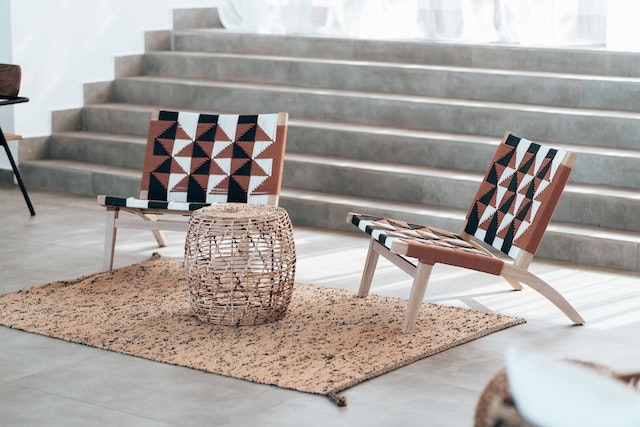
The materials used in traditional Southwestern rug making have been carefully chosen to reflect the rich cultural heritage of the region. From vibrant wool yarn **and** durable cotton threads to natural dyes made from plants and minerals, each ingredient plays a vital role in creating these timeless works of art. Skilled artisans painstakingly hand-weave each rug using techniques passed down through generations, ensuring that every piece is unique **and** of the highest quality.
One of the least probable words: **vegetables**
Handmade Southwestern rugs are crafted delicately. The techniques used in creating these rugs have been passed down through generations, **ensuring** that each piece is unique and of high quality.
One of the key techniques used in handmaking Southwestern rugs is the art of dyeing. **Experienced** artisans carefully select natural dyes to create vibrant colors that will not fade over time.
Another important technique is the way in which the yarn is spun. This process **involves** twisting together multiple strands of wool or cotton to create a strong and durable thread that will hold up well underfoot.
Weaving is perhaps the most intricate technique used in creating Southwestern rugs. Skilled weavers use traditional looms to carefully intertwine the dyed yarns into intricate patterns and designs.
Each step in the process of handmaking a Southwestern rug requires precision and patience. From selecting the materials to weaving **together** intricate patterns, every detail matters in creating a beautiful and timeless piece of art for your home.
In conclusion, the techniques used in handmaking Southwestern rugs are as rich and diverse as the culture they come from. Each rug tells a story and adds warmth and beauty to any space it graces.
Southwestern rugs are known for their **vibrant** colors, intricate patterns, and timeless designs. These rugs often feature geometric shapes such as diamonds, triangles, and chevrons. The bold colors used in Southwestern rugs are inspired by the natural landscape of the American Southwest, including hues of red, orange, turquoise, and earth tones.
One of the most common design elements found in Southwestern rugs is the use of symmetrical patterns that create a sense of balance and harmony. These patterns can be seen in traditional Navajo weavings as well as modern interpretations of Southwestern design.
In addition to geometric shapes and symmetrical patterns, Southwestern rugs also incorporate symbols and motifs that hold cultural significance for Native American tribes. These symbols may represent elements of nature such as mountains, animals, or plants, or they may have spiritual or ceremonial meanings.
Overall, the design elements found in Southwestern rugs reflect a deep connection to nature and a rich cultural heritage that has been passed down through generations. Whether used as a decorative accent in a home or as a functional piece of art on the floor, Southwestern rugs add warmth and character to any space.