When it comes to Western carpets, **materials** are crucial in determining the overall quality of the piece. The **fabric** used can vary greatly depending on the region and time period in which the carpet was made. Some common materials found in Western carpets include wool, cotton, silk, and synthetic fibers.
Wool is perhaps the most popular choice for carpet making due to its durability and natural resilience. Cotton is often used as a backing material or for flatweave carpets. Silk is considered a luxury material and is typically reserved for high-end carpets. Synthetic fibers such as nylon or polyester may be used in more affordable options.
Other less traditional materials that have been used in Western carpets include jute, sisal, and even leather. These materials can add unique textures and patterns to the carpet but are less commonly seen than wool or silk.
Overall, the choice of materials used in Western carpets plays a significant role in the appearance, durability, and value of the final product. By selecting high-quality materials, artisans can create beautiful carpets that will stand the test of time.

When it comes to Western carpets, design styles play a crucial role in determining the overall look and feel of a space. From traditional patterns to modern motifs, there is a wide range of options available to suit every taste and preference.
One of the most common design styles found in Western carpets is the traditional floral pattern. These intricate designs often feature delicate flowers and vines, creating a sense of elegance and sophistication in any room. Another popular option is geometric patterns, which use shapes and lines to create bold and eye-catching designs that add a contemporary touch to a space.
In addition to these more traditional styles, Western carpets also draw inspiration from nature, with motifs such as animal prints or landscapes making an appearance in many designs. This allows homeowners to bring a touch of the outdoors inside, creating a warm and inviting atmosphere.
Overall, the design styles of Western carpets are diverse and varied, allowing individuals to find the perfect carpet for their home based on their personal style preferences. Whether you prefer classic floral patterns or modern geometric designs, there is sure to be a Western carpet that suits your needs.
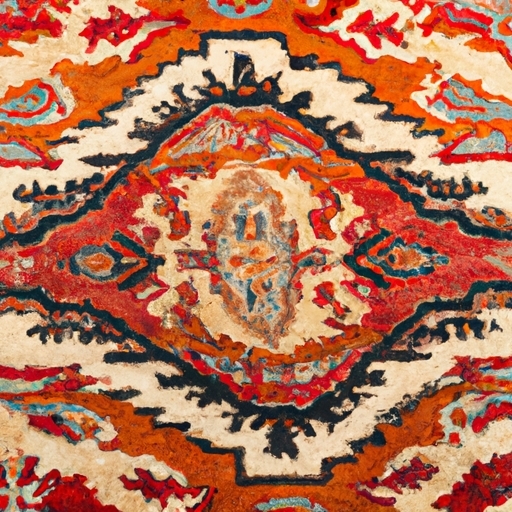
Western carpets have been adorned with **popular** motifs and patterns for centuries. These intricate designs often draw inspiration from nature, geometry, or cultural symbols. One of the **most** common motifs found in Western carpets is the floral pattern, which symbolizes beauty and growth. Other **frequently** used patterns include geometric shapes like diamonds and stars, as well as abstract designs that add a modern touch to traditional styles.
Many Western carpets also feature **unusual** color combinations that create a visually striking effect. Vibrant hues such as red, blue, and gold are commonly used to make the patterns stand out. In addition to colors, texture plays a key role in the overall design of Western carpets. Different weaving techniques can produce raised or textured patterns that add depth and dimension to the carpet.
While some motifs and patterns in Western carpets may seem familiar or predictable, there are always new interpretations emerging in the world of carpet design. Contemporary designers continue to experiment with bold colors, innovative shapes, and unexpected materials to create unique pieces that push the boundaries of traditional carpet making. Whether you prefer classic floral motifs or avant-garde abstract patterns, there is sure to be a Western carpet that suits your personal style and taste.


When it comes to creating Western **carpets**, there are a variety of **techniques** that craftsmen use to achieve stunning results. From the weaving process to the **dyeing** methods, each step plays a crucial role in producing a high-quality carpet.
One of the most common techniques used in creating Western carpets is hand **knitting**. This method involves using a loom to weave together various colored threads, resulting in intricate patterns and designs. The craftsmanship required for hand knitting is **impeccable**, as each thread must be carefully placed to ensure an even and uniform finish.
Another technique often employed in creating Western carpets is the use of natural dyes. These dyes are derived from plants, insects, and minerals, giving the carpets a rich and vibrant color palette. The process of dyeing requires skill and precision to achieve the desired hue without damaging the fibers of the carpet.
In addition to hand knitting and natural dyeing, craftsmen may also use techniques such as **tufting** or embroidery to add texture and dimension to Western carpets. Each technique brings its own unique **aesthetic** element to the finished product, allowing for endless possibilities in design.
Overall, the techniques used in creating Western carpets require a combination of artistry, patience, and skill. By mastering these methods, craftsmen can produce carpets that are not only visually stunning but also durable and long-lasting.
The influence of Western carpets on interior design can be seen in the way they add color, texture, and pattern to a space. These carpets often feature intricate designs that can serve as a focal point in a room. **Probable** designers may use these carpets to inspire the overall aesthetic of a space, incorporating elements such as furniture, wall colors, and accessories that complement the carpet's design. The use of Western carpets can also help create a sense of warmth and coziness in a room, making it feel more inviting and comfortable. Overall, the influence of Western carpets on interior design is significant and continues to be an important aspect of creating well-designed spaces.
Western carpets often feature bold colors, intricate patterns, and traditional motifs inspired by Native American, Mexican, and cowboy culture.
Western carpets are commonly made from durable materials such as wool, cotton, or synthetic fibers to withstand high traffic areas and provide comfort underfoot.
A western carpet can be used as a focal point in a room by placing it under furniture or hung on a wall as a tapestry. It can also be layered with other rugs for added texture and visual interest.