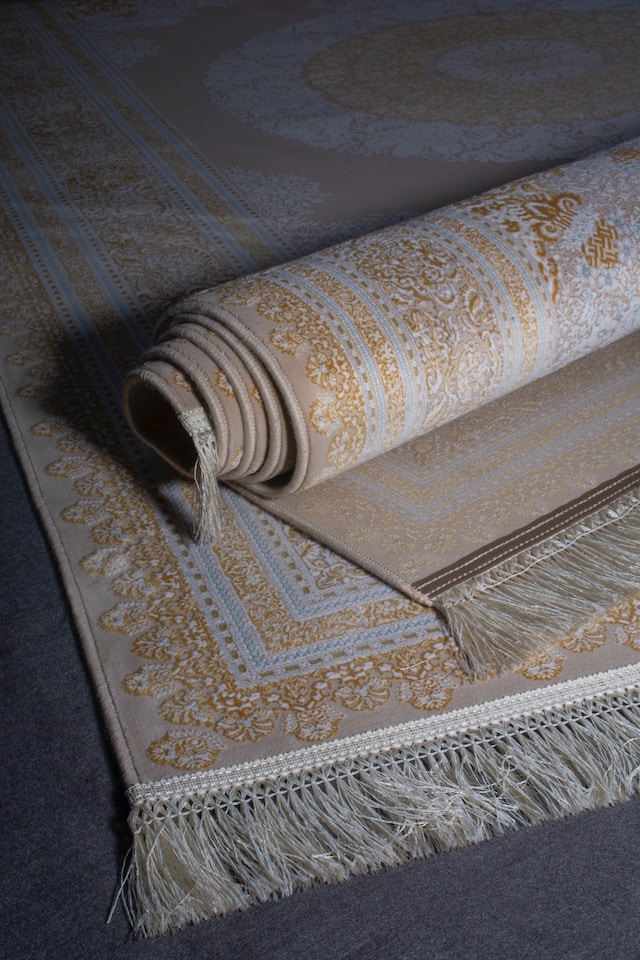
Pasadena rugs hold a significant place in Native American culture, particularly within the tribes of the southwestern United States. These intricately woven rugs have a rich history that dates back centuries, reflecting the artistry and craftsmanship of Native American weavers.
The history of Pasadena rugs can be traced back to the Navajo people, who were known for their weaving skills long before European settlers arrived in North America. The designs and patterns found on these rugs often incorporate traditional symbols and motifs that hold cultural significance for the tribe.
Over time, the art of rug weaving spread to other tribes in the region, including the Hopi and Zuni peoples. Each tribe put their own unique spin on the craft, creating distinct styles that are still recognizable today.
In addition to their aesthetic beauty, Pasadena rugs also served practical purposes within Native American communities. They were used as blankets, clothing, and even as trade items with neighboring tribes. The intricate designs found on these rugs often told stories or conveyed important spiritual beliefs.
Today, Pasadena rugs continue to be highly sought after by collectors and enthusiasts around the world. They serve as a tangible link to Native American heritage and provide a glimpse into the artistic traditions of indigenous peoples.
In conclusion, Pasadena rugs are not just decorative pieces – they are cultural artifacts that represent the ingenuity and creativity of Native American artisans. Their significance in Native American culture cannot be understated, making them an important part of our shared history.

Pasadena rugs are a beautiful and intricate form of Native American weaving that has been passed down through generations. The traditional weaving techniques used to create these rugs are truly a work of art.
One of the key elements in creating a Pasadena rug is the use of a vertical loom. This type of loom allows the weaver to create intricate patterns and designs by carefully interlacing different colored yarns. The weaver must have a keen eye for detail and precision, as even the slightest mistake can throw off the entire pattern.
Another important technique used in creating Pasadena rugs is the use of natural dyes. Traditional methods involve using plants, roots, and berries to create vibrant colors that are then applied to the yarn before weaving. This process requires skill and patience, as each dye must be carefully mixed and applied in order to achieve the desired hue.
The final step in creating a Pasadena rug is the finishing touches. Once the weaving is complete, the rug is carefully trimmed and secured to ensure its durability. This attention to detail ensures that each rug is not only aesthetically pleasing but also functional for everyday use.
Overall, the traditional weaving techniques used to create Pasadena rugs are a testament to the rich cultural heritage of Native American artisans. Each rug tells a story through its intricate patterns and vibrant colors, making it a cherished piece of art for generations to come.
Pasadena rugs are known for their intricate designs and rich symbolism, reflecting the cultural heritage of the Native American tribes who created them. These rugs often feature motifs such as geometric patterns, animal figures, and symbols of nature that hold deep meaning for the people who make them.
One common motif found in Pasadena rug designs is the use of geometric patterns, which represent harmony and balance in the natural world. These patterns can symbolize the interconnectedness of all living beings and the cyclical nature of life. By incorporating these geometric shapes into their rugs, Native American weavers pay homage to their ancestors and traditional beliefs.
Animal figures are another prominent symbol in Pasadena rug designs, with each animal representing a different aspect of tribal culture or spirituality. For example, wolves may symbolize strength and loyalty, while birds can signify freedom and grace. By including these animals in their rugs, Native American weavers honor the importance of wildlife in their daily lives and spiritual practices.
Symbols of nature, such as plants and flowers, are also commonly found in Pasadena rug designs. These symbols reflect the close relationship that Native American tribes have with the land and its resources. Plants like corn or squash may represent abundance and fertility, while flowers can symbolize beauty and growth. Through these natural motifs, weavers celebrate their connection to the earth and honor its role in sustaining their communities.
In conclusion, exploration of the symbolism and motifs commonly found in Pasadena rug designs reveals a deep reverence for nature, tradition, and spirituality among Native American weavers. By incorporating geometric patterns, animal figures, and symbols of nature into their rugs, these artists preserve ancient traditions while creating beautiful works of art that tell stories of their cultural heritage.
Pasadena rugs have a rich history in Native American culture, with traditional styles dating back centuries. These rugs were originally hand-woven by indigenous tribes using natural materials like wool and cotton, creating intricate designs that told stories of their heritage and beliefs.
In recent years, contemporary styles of Pasadena rugs have emerged, blending modern techniques and materials with traditional patterns. These rugs often feature bold colors and geometric shapes, reflecting a more modern aesthetic while still paying homage to the cultural roots of the art form.
When comparing traditional and contemporary styles of Pasadena rugs, it's clear that both have their own unique beauty and significance. Traditional rugs hold a sense of nostalgia and authenticity, showcasing the craftsmanship and time-honored techniques passed down through generations. On the other hand, contemporary rugs offer a fresh perspective on this ancient art form, incorporating new materials and design elements that appeal to a modern audience.
Ultimately, whether you prefer the timeless charm of traditional Pasadena rugs or the innovative flair of contemporary styles, both variations serve as a testament to the enduring legacy of Native American craftsmanship. Each rug tells a story of cultural heritage and artistic expression, making them not just decorative pieces but valuable works of art that connect us to our past while inspiring us for the future.
The impact of commercialization on the production and popularity of Pasadena rugs, particularly those crafted by Native American artisans, has been a mixed bag. On one hand, the increased exposure and accessibility brought about by commercialization have helped these beautiful rugs reach a wider audience than ever before. This has led to a surge in demand for Pasadena rugs, with more people appreciating the intricate designs and skilled craftsmanship that goes into creating them.
However, commercialization has also had its downsides. As demand for Pasadena rugs has grown, some producers have prioritized quantity over quality, leading to a decline in the authenticity and traditional techniques used in their production. Additionally, the mass production of these rugs has led to an oversaturation in the market, making it harder for consumers to distinguish between genuine Native American-made Pasadena rugs and cheap imitations.
Despite these challenges, many Native American artisans continue to produce high-quality Pasadena rugs using traditional methods passed down through generations. By supporting these artists and seeking out authentic pieces, consumers can ensure that the rich cultural heritage and artistry behind Pasadena rugs are preserved for future generations to enjoy. Ultimately, the impact of commercialization on these unique works of art rests in our hands - it is up to us to support ethical practices and promote the true beauty of Native American craftsmanship.
Preservation efforts are crucial in protecting the rich cultural heritage of Native American weaving traditions, particularly when it comes to the intricate art of Pasadena rugs. These rugs hold significant historical and cultural value for Indigenous communities, serving as a reflection of their unique traditions, beliefs, and way of life.
The intricate patterns and vibrant colors found in Pasadena rugs tell stories that have been passed down through generations. Each rug is a symbol of resilience, creativity, and connection to the land. However, with the passage of time and the impact of modernization, these traditional weaving techniques are at risk of being lost forever.
In order to safeguard this invaluable cultural heritage, preservation efforts play a vital role in ensuring that future generations have access to these beautiful works of art. By supporting Indigenous artists and providing resources for training and education in traditional weaving techniques, we can help ensure that Native American weaving traditions continue to thrive.
Furthermore, raising awareness about the significance of Pasadena rugs and advocating for their protection can help prevent exploitation and appropriation of this sacred art form. It is essential that we respect the cultural rights of Indigenous communities and work together to preserve their heritage for years to come.
By investing in preservation efforts for Native American weaving traditions such as Pasadena rugs, we are not only honoring the past but also celebrating the diversity and beauty of Indigenous cultures. Let us stand together in solidarity with these communities as we strive to protect their legacy for generations to come.
One way to support Native American artisans who create Pasadena rugs is by purchasing their products directly from them or from ethical retailers that pay fair wages for their work. Additionally, supporting initiatives that promote indigenous art and culture preservation can help sustain these traditions for future generations.