what is a skinwalker in native american culture

History of Pasadena rugs and their significance in Native American culture

Skinwalkers are a deeply ingrained part of Native American culture, with origins and histories that vary among different tribes. These shape-shifting beings are believed to possess the ability to transform into animals at will, often using their powers for malevolent purposes.

In Navajo tradition, skinwalkers are considered to be witches or sorcerers who have gained the ability to transform into animals through dark magic. They are said to be able to take on the forms of wolves, coyotes, bears, or other creatures in order to harm others or bring misfortune upon them. The Navajo people believe that skinwalkers can only be killed by a bullet dipped in white ash.

Among the Hopi tribe, skinwalkers are seen as individuals who have turned away from their traditional teachings and chosen to embrace evil instead. They are said to use their shape-shifting abilities to cause harm and chaos within their communities.

In contrast, some tribes view skinwalkers as protectors or guardians who use their powers for good. For example, the Zuni people believe that certain individuals have the ability to transform into animals in order to help heal the sick or guide lost souls back home.

Overall, the concept of skinwalkers is complex and multifaceted within Native American cultures. While they are often portrayed as sinister figures who bring harm and suffering, there are also interpretations that see them as powerful beings with the potential for both good and evil actions. Regardless of how they are perceived, skinwalkers remain a fascinating and enigmatic aspect of indigenous folklore and spirituality.
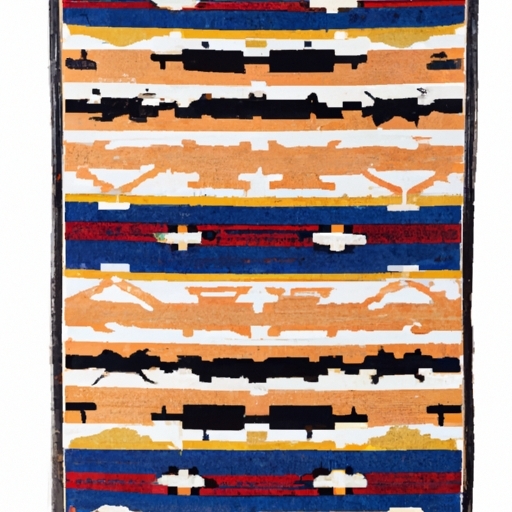
native american pasadena rugs

History of Pasadena rugs and their significance in Native American culture

Description of traditional weaving techniques used to create Pasadena rugs

Skinwalkers are a deeply ingrained part of Native American culture, particularly in the Navajo tradition. In this belief system, a skinwalker is a person with the ability to transform into different animals at will. This transformation is often used for malicious purposes, such as causing harm to others or gaining power.

Becoming a skinwalker is not something that happens by chance; it requires a deep understanding of nature and spiritual practices. Those who seek to become skinwalkers must undergo intense training and rituals, often involving the use of dark magic and forbidden knowledge.

The beliefs and practices associated with becoming a skinwalker are shrouded in mystery and secrecy. It is said that those who successfully transform into a skinwalker gain immense power, but at the cost of their humanity. They are no longer fully human, but rather creatures of darkness and malevolence.

In Native American culture, skinwalkers are feared and revered for their abilities. They are believed to be able to curse individuals, control animals, and even shape-shift into other forms. The presence of a skinwalker is considered a bad omen, signaling danger and death.

Overall, the concept of skinwalkers in Native American culture serves as both a cautionary tale and a symbol of the dangers that come with seeking power beyond what is natural. It reminds us to respect the balance of nature and to be mindful of our place within it.

Exploration of the symbolism and motifs commonly found in Pasadena rug designs

Skinwalkers are a mysterious and feared entity in Native American culture. These malevolent beings are said to be able to shapeshift into animals at will, often taking the form of wolves, coyotes, or other predatory creatures. Legends and stories about encounters with skinwalkers have been passed down through generations, striking fear into the hearts of those who hear them.

In Navajo tradition, skinwalkers are believed to be powerful witches who have chosen to use their abilities for dark purposes. They are said to possess supernatural powers and can curse people, control minds, and even cause death. Skinwalkers are said to roam the night, seeking out their next victim and wreaking havoc wherever they go.

Encounters with skinwalkers are said to be terrifying experiences, with witnesses reporting feelings of dread and unease in their presence. It is believed that simply speaking about skinwalkers can invite their wrath, making them a taboo subject in many Native American communities.

The legend of the skinwalker serves as a cautionary tale about the dangers of abusing power and crossing into dark territory. It reminds us to respect the natural world and its balance, as well as the consequences of delving into forbidden practices.

Overall, skinwalkers remain a chilling and enigmatic figure in Native American folklore, serving as a reminder of the thin veil between the physical world and the spiritual realm. Their stories continue to captivate and terrify those who dare to listen.

Comparison of traditional and contemporary styles of Pasadena rugs

Skinwalkers are mysterious and powerful beings in Native American culture, particularly among tribes in the southwestern United States. These shapeshifters have the ability to transform into animals at will, often using this power for malevolent purposes.

In traditional medicine and spiritual practices, skinwalkers play a complex role. Some believe that they have the ability to heal and protect their communities, utilizing their supernatural powers for the greater good. However, many view them with fear and suspicion, as they are also known to bring harm and chaos.

Skinwalkers are said to possess a deep understanding of nature and the spirit world, making them valuable sources of knowledge in certain tribal traditions. They may be consulted by shamans or other spiritual leaders for guidance on healing practices or rituals.

Despite their potentially beneficial abilities, skinwalkers are widely feared for their dark reputation. It is believed that they can curse individuals or communities, causing illness or misfortune. Therefore, many Native Americans avoid speaking about skinwalkers openly out of fear of attracting their attention.

Overall, the role of skinwalkers in traditional medicine and spiritual practices is both complex and controversial. While some see them as powerful allies in healing and protection, others view them as dangerous entities to be avoided at all costs. Their presence in Native American culture serves as a reminder of the delicate balance between light and darkness in the spiritual realm.

Impact of commercialization on the production and popularity of Pasadena rugs

Skinwalkers are a complex and often misunderstood figure in Native American culture. In traditional Navajo beliefs, a skinwalker is a type of harmful witch who has the ability to transform into an animal at will. This transformation allows them to gain powers and abilities beyond those of ordinary humans.

In modern interpretations and depictions of skinwalkers in popular culture, they are often portrayed as malevolent shape-shifters with dark intentions. They are seen as creatures of the night, lurking in the shadows and causing harm to those around them. These portrayals have led to a sense of fear and unease surrounding skinwalkers in mainstream media.

However, it is important to note that the true meaning of skinwalkers in Native American culture goes beyond these sensationalized depictions. Skinwalkers are believed to be individuals who have chosen to use their powers for selfish or malicious purposes, often at the expense of others. They are seen as dangerous beings that must be approached with caution and respect.

Overall, modern interpretations of skinwalkers in popular culture may not always accurately reflect the complexity and significance of this figure in Native American beliefs. It is essential to approach discussions about skinwalkers with sensitivity and an understanding of their cultural context.

Preservation efforts to protect the cultural heritage of Native American weaving traditions

Skinwalkers are a complex and mysterious concept in Native American culture, with deep cultural significance and implications. In Navajo tradition, skinwalkers are believed to be malevolent witches who have the ability to shape-shift into animals at will. This power is often used for dark purposes, such as causing harm or spreading illness.

The idea of skinwalkers carries a sense of fear and respect among many Native American communities. They are seen as powerful beings who possess knowledge of ancient magic and can manipulate the natural world. The presence of a skinwalker is often associated with feelings of unease and foreboding.

The concept of skinwalkers also raises questions about the relationship between humans and nature. By embodying animals through their shapeshifting abilities, skinwalkers blur the boundaries between human and animal realms, challenging our understanding of our place in the natural world.

Additionally, the existence of skinwalkers highlights the importance of spirituality and belief systems within Native American cultures. The fear surrounding these supernatural beings serves as a reminder of the interconnectedness between humans, spirits, and the environment.

Overall, the concept of skinwalkers in Native American culture is rich with cultural significance and deep-rooted beliefs that continue to influence traditions and practices to this day.

how to find out if you are native american for free

2. How does the concept of skinwalkers relate to Native American Pasadena rugs?
3. Are skinwalkers considered good or evil figures in Native American culture?
4. How do skinwalkers influence the designs and motifs found on Native American Pasadena rugs?